
Why doesn't interior design have the same ethical and legal standards as other professions?
I think about this question a lot because I've been in this industry for a long time now and see the same patterns play out over and over. I've been talking with designers every day for the past 12 years, I've had over 52,000 designers/architects come through my courses and programs and the majority are great people doing great work. But there's stuff that goes on in this industry that's been completely normalised that really shouldn't be.
These are things that would be illegal in other professions or that create serious conflicts of interest. They are things that were stamped out of financial services, law and medicine decades ago because the problems were so obvious.
For example if your financial adviser was secretly earning a commission every time they recommended a product, it would be illegal and they'd lose their licence. If your lawyer was getting referral kickbacks from a colleague they recommended to you, it would be a disciplinary matter. Yet interior designers do versions of both of these things regularly and nobody blinks.
Here are some examples of what I mean...
Trade pricing: A designer buys a sofa with a trade account of 40% off retail then charges the client full price. The client has no idea and the designer pockets the difference on top of the design fee they've already charged. So they're being paid twice on the same transaction (once by the client in fees and once through the markup the client doesn't know about). In financial services this is an undisclosed commission and will get your licence revoked, yet in interior design this happens all the time.
Referral kickbacks: A designer recommends a particular supplier/contractor, not because they're necessarily the best option, but because they pay the designer a referral fee. The client thinks they're getting an independent professional recommendation but they're not. They are getting a recommendation that's been influenced by money changing hands that they know nothing about. In financial planning, this was regulated out years ago because the conflicts of interest were so obvious but in interior design it's just how things work.
Percentage based fees: When a designer charges a percentage of the total project cost this incentivises making the project more expensive, not less. The designer has a direct financial interest in the client spending more money. Imagine if your financial adviser got paid a percentage of how much of your money they invested, it's another conflict of interest.
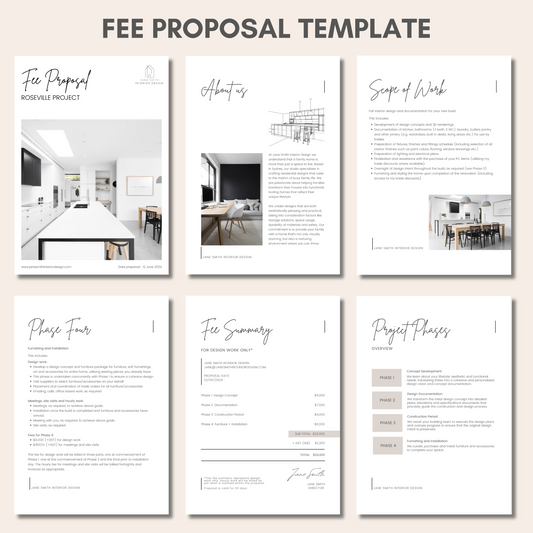
Lack of transparency around pricing/fees: How many designers give clients a clear breakdown of what they're actually paying for? How many have proper contracts that spell out scope, deliverables and fee structure? Some do but many I come across don't.
So that's some of the ethical side but there's also a competency side, which is just as big a problem.
Let's use Australia as an example because there's a lot of talk about this right now with regulatory reviews currently happening. In Australia currently anyone can call themselves an interior designer. There's no protected title and no minimum qualification. For some types of work (styling, decorating, colour selection) that's probably fine but many interior designers do work like custom joinery that involves specifying materials near heat sources, bathroom design that needs to meet building code and it's common for designers to reconfigure floor plans in ways that affect structural elements (whether they should be doing this work or not).
This is technical work with real safety implications but there's currently no way to tell the difference between a designer who understands this stuff properly and one who doesn't, because there's no standard, assessment or registration. This is not only an issue in Australia, it's the same in many jurisdictions around the world.
Other professions sorted this out a long time ago. For example, financial advisers went through a painful reform process where undisclosed commissions were banned, qualification requirements were raised and advisers who didn't meet the new standards had to leave the industry. It was messy and lots of people were angry but the profession came out the other side with higher standards and greater public trust.
Interior design needs a version of that reform where the profession decides what ethical conduct looks like, what competency looks like and what happens to practitioners who don't meet the bar.
There is some discussion happening in Australia right now but I don't believe the industry bodies are doing a good job of coming up with solutions because they themselves are conflicted. That conflict comes from the fact that what needs to happen in the industry will likely upset a lot of their paying members, so they don't make recommendations that benefit the industry as a whole, just recommendations that keep their members happy.
Here's why all of this bothers me...
Designers that are operating in the grey area are the reason your clients are always suspicious and that the interior design industry has a reputational problem. Every time a client finds out their designer was making money behind their back or ends up with work that doesn't meet code, it makes things harder for the designers who are working correctly.
The other thing that frustrates me is that too many designers do these things because "that's just how everyone does it." They've never stopped to ask whether it's actually in their client's best interest, they've just absorbed the industry norm and assumed it must be fine.
Every time I bring up this topic, I get pushback like "That's just how the industry works." "Everyone else does it" "Clients expect it" or "That's how I make money"
But have you ever actually asked your client if they're okay with you making an undisclosed 40% markup on top of your design fee or that the contractor you're recommending is paying you a referral fee?
The client i.e. the person paying for your professional advice, deserves to know how you're being compensated and whether there are any conflicts of interest in the recommendations you're giving them. That is a basic professional standard that already exists in most other advice based industries.
I don't have all the answers about what reform should look like (although I do have ideas, which I might share next week), but I think the conversation needs to shift from what designers deserve to what clients deserve which I think is to know that their designer is qualified to do the work and that there are no hidden financial incentives that are clouding the advice being given.
Clients hire a designer because they want to know the recommendations they're getting are genuinely in their best interest. That's what they are paying for and that's what professional advice should mean. At the moment, I don't think that's always what they are getting.