
Has this happened to you yet?
Your client takes your concept or plan and drops it into ChatGPT then comes back to you with "feedback."
If you haven’t experienced this yet, you will! 🫠
ChatGPT is the latest version of "my sister-in-law is a designer" or "I saw something on Pinterest that I think would work"
Just like you’ve had to handle those issues up to this point, you’ll need a way to handle the “I used AI for some feedback” one as well.
The fix isn't to be anti-AI, it's to show strong client leadership and be properly in charge of your projects. Let's talk about how to do that...
Why clients are doing this
Most of them think they're being helpful and/or protecting their investment.
They're paying a lot of money, they want to feel involved and AI gives them a way to contribute that feels productive.
The problem is AI always sounds confident and technical so the feedback feels more authoritative than it should.
But ChatGPT has no idea about your client’s project!!
It doesn't know the site, budget or trades and it probably hasn’t looked up local planning laws or building requirements.
Your client has probably briefed it badly (e.g. just dropped in your design in without context) and it has no idea about the hundred decisions you’ve already made and the things you’ve ruled out because they don’t work for their project.
AI is simply pattern matching an image and giving generic feedback. The problem is it does this very confidently, so your client believes it!
Here’s how to handle it…
First, you need to get ahead of this during onboarding.
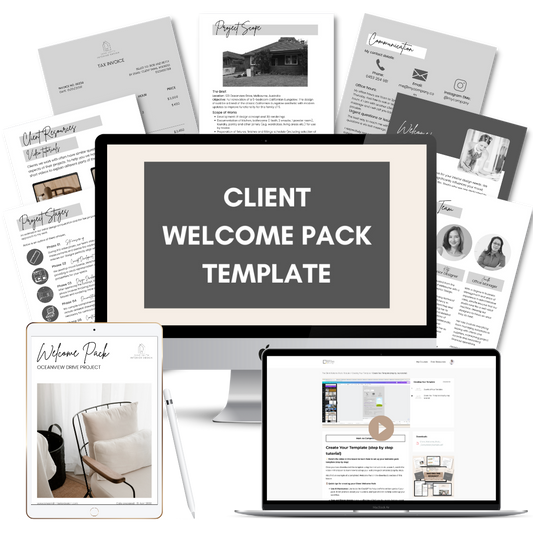
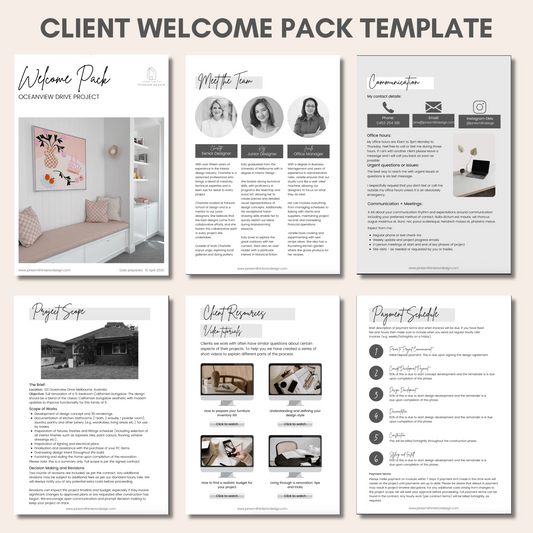
The best time to handle it is before it happens so add a section to your client welcome pack that addresses AI directly.
Add something like this...
"During the project, you might be tempted to run the work I send you through AI tools like ChatGPT to research or review the design. I want to be upfront about why this is usually unhelpful.
AI doesn’t have context on your specific project. It hasn’t seen your site, doesn’t know your budget and doesn’t know what we've already ruled out and why. It also isn’t accountable for the outcome.
AI feedback often sounds reasonable and confident, but it is generic and not tailored to your project. Responding to it can pull the project in a direction that doesn't suit your your budget or brief.
If you do come across something interesting through AI tools, please send it to me and we can then look together at how it fits (or why it doesn't) with the decisions we've already made.”
You've now framed the problem and made it part of the process.
Next, when it happens anyway (because it probably will!), use this language.
A client says: "I ran the concept through ChatGPT and it suggested we rotate the kitchen island."
Don't say: "Well actually the reason I designed it this way is…" (sounds defensive)
Do say: "That's interesting but let me show you why we made the call for how it is currently placed. The orientation we have works with the structural beam above as well as the plumbing locations that will be expensive to move. Rotating it would mean you also lose that view out to the garden and pool, that you said was important so you could watch the kids. Is there something specific about the layout that you don't like?"
By doing this you’ve taken back authority but still left room to talk through anything the client is uncomfortable with.
A trap to avoid getting into is debating whether ChatGPT's suggestion is technically right or wrong.
Instead, every time AI feedback comes up, bring it back to the brief and the constraints.
"That's interesting but in your project we have these specific constraints…"
or
"That might work in another home, but on your site we're dealing with…"
or
"That would be possible with a different budget, but with the brief we agreed in week one we need to…"
Don’t defend your design, just reframe yourself as their paid professional expert.
Remind them about what you bring to their project that AI can't. For example:
- You've walked the site and know it in person.
- You've noticed the things that plans can’t capture
- You've sat with the client and listened to how they live and what they want this project to fix
- You've reviewed the structural drawings, services, existing conditions and the things that can't move without significant cost
- You understand the budget, the trades available and what is realistic in the market right now
- You've considered local building codes and any planning constraints specific to their property
- You've thought through how the space will function day to day
- You're accountable for the outcome and putting your name and reputation on this project. AI isn’t!
- You've spent years training, working on real projects and developing the design judgement that lets you make these calls confidently.
- You know the sofa AI suggested won't fit in the lift, up the stairs or around the tight corner on the landing or in the service lift
- You know that the cabinetry supplier you want to use has a six-month lead time right now and have planned the project timeline around that
- You know the kitchen tap they fell in love with (as suggested by AI) is from a brand whose customer service is appalling and who you've stopped specifying because of repeated warranty issues
- You know about the structural beam that runs through the ceiling above where they want a pendant light and what relocating it will cost
- You’re on top of how the plumber's quote came back $8K higher than expected and what that means for the furniture budget
- You know that the rug they want is only made in one size that's 200mm too short for the room
- You know which suppliers are reliable for delivery dates and which ones you've stopped using because they keep missing them
- You know which paint colour actually reads white in their north-facing room vs which one will look blue-ish
The most useful thing you can do at the start of a project is reframe how the client thinks about AI as a design assistant.
Tell them upfront:
"When you get tempted to use AI tools treat them like Pinterest. They can be good for inspiration and getting your thoughts together but they aren’t great for reviewing decisions already made about your specific project."
This gives them permission to keep playing with the tools (which they're going to do anyway) while positioning yourself as the paid professional who actually understands what’s going on.
AI feedback is going to be part of your design projects from this point forward, but it's very manageable once you have the right language.
Get ahead of it in onboarding, think in advance about what you will say, have some scripts ready in your head so you're not making it up under pressure and bring every conversation back to your professional expertise. Also be ready to justify your fees and why they need you!
Most clients just want to feel involved so give them a structured way to do that so AI doesn’t turn into a problem.