
Imagine you've just signed a fee proposal with an interior designer for a renovation project you're about to spend $3 million on.
You've likely spent weeks deciding who to work with and may have even met with a few different designers.
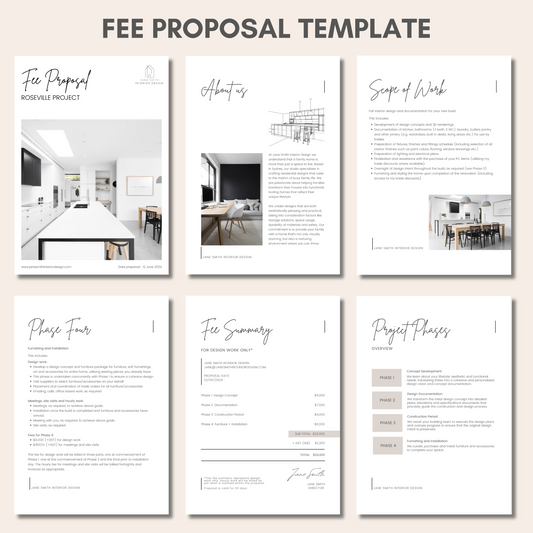
Eventually you decide this designer is the one and sign their fee proposal, committing you to $120K in fees throughout the project.
Not long after you sign, the first invoice arrives. It's for $20K to commence Phase 1. You pay it and sign their contract.
A large amount of money has now left your bank account and you're waiting to see what happens next.
That's the client side of what's going on. Now let's look at your side (as the designer).
Everything might be going great. You've won the project, got the first payment and have started getting on with the work. You're reviewing the drawings, organising your project files, booking a site measure and getting your head around the project. But your client can't see any of that!!!
All they know is they just sent you $20K and so far nothing has happened.
This is the point in a sale where a client is the most excited they are ever going to be to work with you. What happens next can either reinforce that excitement or start creating buyer's remorse almost immediately.
So as soon as the client has paid you, they should start to see something happening. They need evidence that they've entered a professionally run process and that their project is now underway.
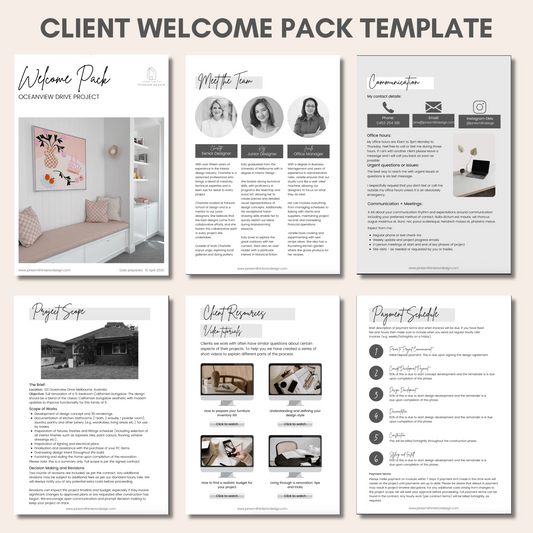
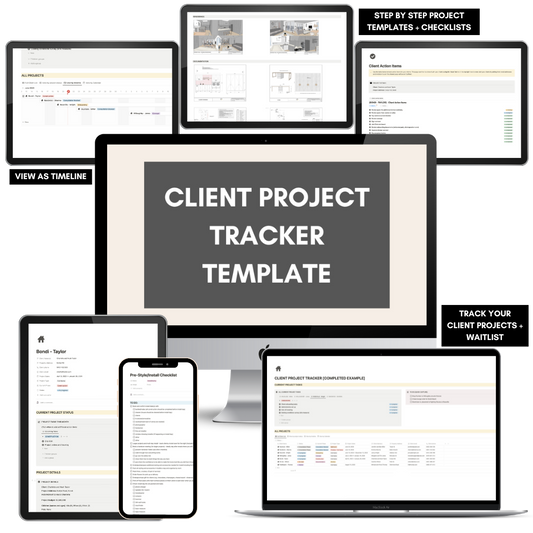
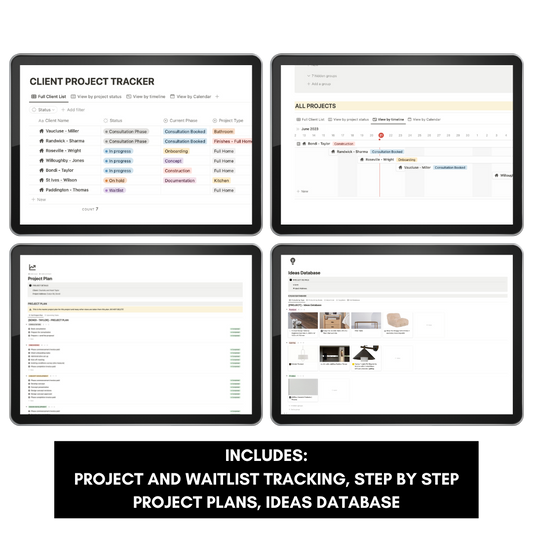
For me, that would mean things like sending out a Client Welcome Pack and Onboarding Questionnaire, setting up their Client Project Tracker and giving them access to their portal, booking the kick-off meeting and scheduling the site measure or existing conditions survey if needed.
Each of those things has a different purpose, but together they send an important message…we've started!!!
The client now has something to do while you're getting things set up at your end. Information is being gathered, meetings are in the diary, someone is coming to site and they can see that things are starting to move rather than sitting there wondering what happens next.
This is why I think the Client Welcome Pack is far more important than designers sometimes assume. This document is your opportunity to explain how the relationship is going to work before the client has to figure it out for themselves e.g. how will you communicate? what happens during the different project stages? what does the client need to do? when will they hear from you? how will decisions be approved? where should they send questions? what should they expect from you and what do you expect from them?
This all shows them you’ve done this before, you’ve got a process you’re following, you know what happens next and you’re on top of things.
When someone has paid you any amount of money this is SO important.
The kick-off meeting is another part of onboarding that I think should be taken far more seriously.
This is one of the first real experiences the client has of being your client rather than being a prospect.
I like to teach designers to think about what happens when you arrive at a really good hotel.
Nobody is frantically searching around for a clean glass or asking you to sit next to a pile of boxes while they work out where your booking is. The whole experience has been thought through before you arrive.
Your studio should feel the same way and the details matter.
If you pull out four mismatched coffee mugs from the kitchen with old tea stains in them, that sends a signal. But if you offer coffee in nice mugs with some homemade biscuits on the side and have a carafe and clean glasses on the table that sends a completely different signal.
Neither of those things has anything to do with whether you're a talented designer but clients don't experience different parts of your business in isolation, they experience the whole thing together and every interaction either adds to or detracts from the feeling that they've hired somebody who knows what they're doing.
The other half of onboarding is the part the client never sees e.g. your folder structure needs to make sense, client information needs to live somewhere you can actually find it, you need a way of tracking what has been approved, what is still outstanding and what needs to happen next. You also need to know where the signed documents are, which drawings are current and what information has already been given to the client. This is where proper backend systems and something like a Client Project Tracker become important.
A client spending money on your professional service is not looking for another job (that's what they are paying you for!).
If they feel informed they can get on with their life but if they don’t know what is happening they eventually start trying to manage the project themselves. Once that starts designers tend to complain the client is controlling or demanding but what has actually happened is they’ve been trained to behave that way because they haven’t been given enough confidence that the designer is actually on top of things.
That’s why onboarding is so much more than an admin tick box exercise. It’s actually your first chance to show a client they’ve spent money with someone capable of managing their project and their money.
They immediately start to notice whether things happen when you said they would, whether you are prepared, whether you know what happens next, whether you anticipate things in advance of their needs and whether you have a process you’re following (or you’re just making it up as you go along).
So my suggestion is to take onboarding and project management set up a lot more seriously than what you probably are doing right now.
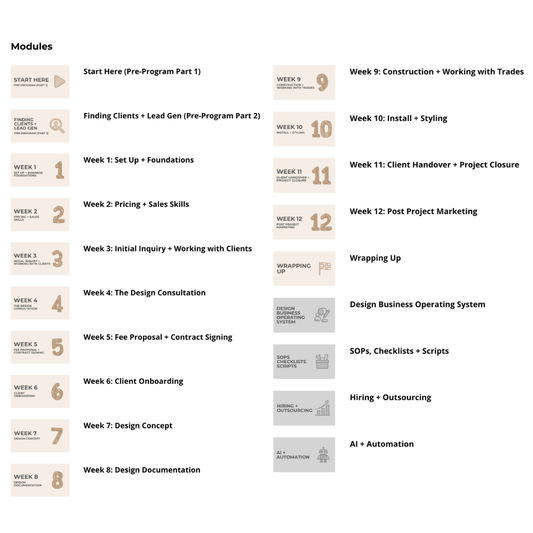
If you need help setting this process up from start to finish with every process written out for you, every template already created, step by step checklists for meeting set up and the full system unpacked for you, that’s what we do together in Design Business Bootcamp.