
When projects are small you can get away with a lot.
You remember what the client approved and you know where the project is up to. If there are only a few decisions happening at once you can keep a surprising amount of it in your head.
But that stops working as projects get bigger and you start juggling a few of them at a time.
With larger projects you’ll find there's normally an architect, builder, cabinet maker, engineer, lighting consultant and landscaper involved. There are hundreds of selections being made, drawings constantly being updated, quotes coming in, client approvals happening and people waiting for information from you.
Suddenly it REALLY matters whether you have a proper way of running the project.
For example is the builder working from the current set of plans? Did anyone record that the client changed their mind about the bathroom tile after the original selection was approved? Does the cabinet maker know that the client swapped to a different stone slab after visiting the factory again? Did the important decisions that got approved via WhatsApp get recorded in the proper project communication channels?
These are not the glamorous parts of being a designer but they are a huge part of running larger projects well.
I think there are quite a few designers in my community who don’t really understand what I mean when I talk about having proper systems in their studio. But hopefully these examples help demonstrate that systems are there to help you when there is a lot of money, information and moving parts at stake and you can’t rely on your memory.
You also need to know what happens at each stage of the project rather than just making it up as you go. For example:
- What do you send when the client signs the fee proposal?
- What information do you collect before starting design?
- When and how do you present a design concept?
- What needs to be approved before documentation starts?
- How do changes get recorded and charged for?
- How are site questions dealt with?
- What happens at handover?
If every project is being run differently depending on what you remember to do that day, it’s kind of manageable when projects are small but it becomes much riskier when the fees and project values get bigger.
Also, as your projects get larger your clients probably become more sophisticated as well.
They notice when they have to tell you something twice or when they have to ask what happens next or when something suddenly becomes urgent because nobody has been looking far enough ahead. They also notice when they are the person keeping track of whether you followed up with the supplier or made that change they talked with you about on site last week.
If your client ever has to chase you about any of this stuff it looks really bad for you because they are paying you so they DON’T have to do that!!!
If somebody is spending millions renovating their house and paying you tens of thousands of dollars in professional fees, they aren't looking for another project to manage. They are paying you to be their professional advisor and they want to see that you have a proper process for dealing with everything that happens with their project.
But the answer isn’t to just be “more organised”. You need actual systems. Things like:
- A proper enquiry process so you are only taking well qualified clients on (the ones who pay and are easy to work with)
- A proper consultation process so expectations are discussed before you decide if you want to work with them
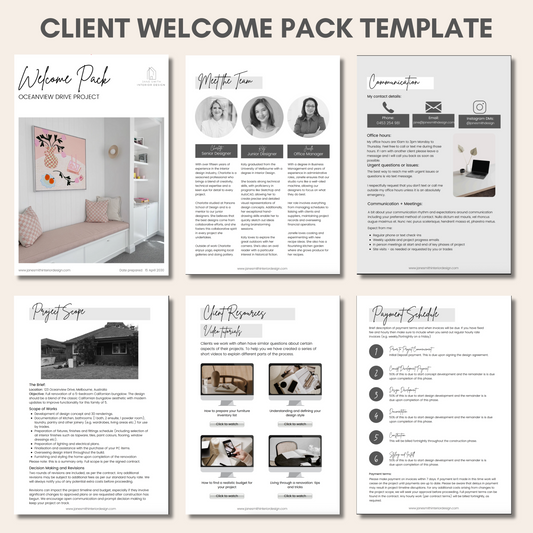
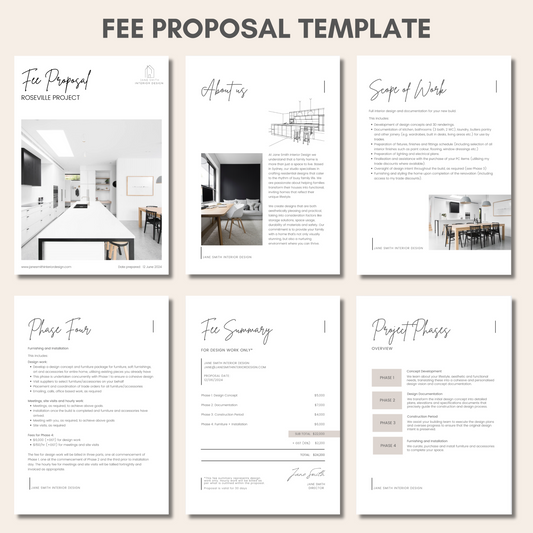
- A fee proposal that clearly sets out the stages, scope and fees (plus what’s NOT included)
- An onboarding process so the client knows exactly what happens once they sign.
- A consistent design process so you know what needs to happen in each phase and what needs to be approved before you move on.
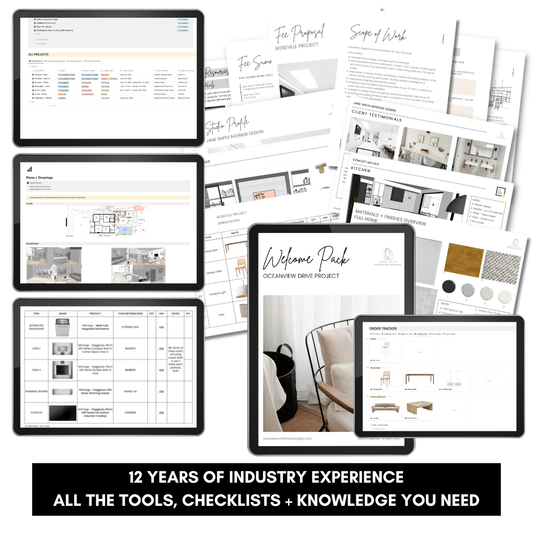
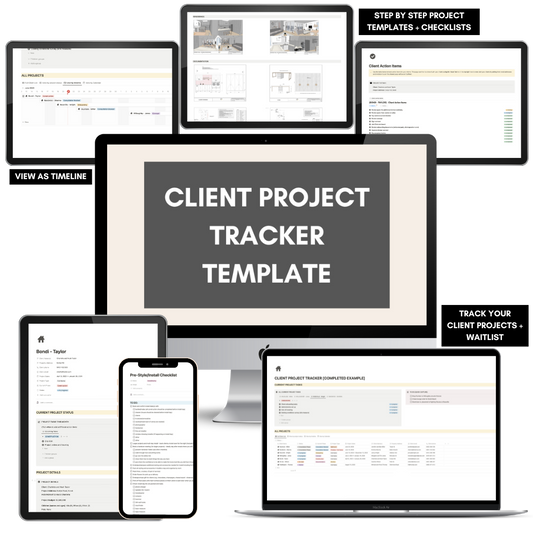
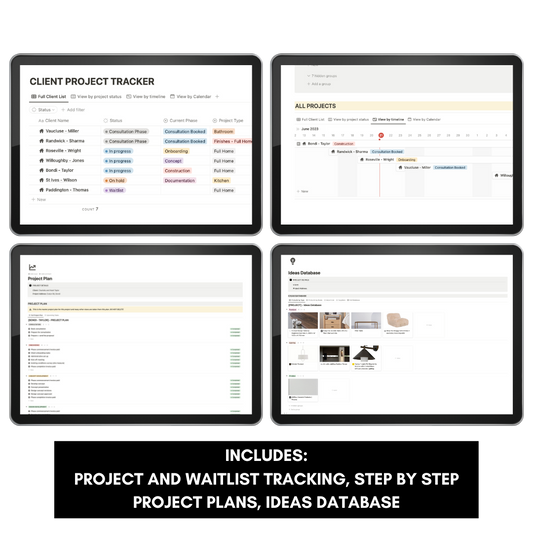
- A project tracker so you don’t just manage the entire job from your head or a notebook
- Clear communication rules so important decisions don’t just end up between email, text messages, WhatsApp and Instagram DMs.
- A proper off boarding process because this is the final impression you’ll make with your clients (and the chance to get some referrals)
None of this needs to actually be very complicated though. The point is to make the way you work repeatable so every new projects doesn’t have you reinventing the process again.
When a designer wins a project that’s bigger than what they’ve done before they often come to me in a panic and join my Design Studio Bootcamp program.
They are then in a frantic rush to try and set up all the systems they need and make sure their studio is running in a way they can be proud of.
They’ve suddenly realised that their new higher paying client is about to expose the weaknesses they have in their processes and they want those fixed up. But the thing I don’t understand is why designers wait for this point to get their studio set up properly.
It would be SO MUCH BETTER if you did that while you have less stress and less pressure. That way when that new client comes in you’re not scrambling around and already have everything set up so you can concentrate on actually doing the design work well.
So don’t be like lots of the designers I work with and wait until you land the high paying projects to get this stuff sorted. Use this period where things are a bit less stressful to build the way you want your studio to run. That’s what will give you the capacity to confidently handle more projects when they start to come in.
I know a lot of you have a little voice in your head that says “I really need to get my shit together with this” but then put it to the side and don't think about it.
That is exactly the problem Bootcamp is designed to solve.