
In 1957, a young Danish architect named Jørn Utzon won an international competition to design what would become Australia's most iconic building...The Sydney Opera House. The original estimate was $7 million and 4 years to complete.
What actually happened became one of the most controversial project overruns in architectural history.
The final cost was $102 million (that's over $1 billion in today's money) and it took 14 years to build. Utzon resigned from the job in 1966 and never saw his masterpiece completed. He never returned to Australia, not even for the opening in 1973.
So what went wrong? And more importantly, what can designers and architects learn from this to protect their own businesses?
The problems with the project
Utzon won the competition with conceptual sketches, not detailed construction drawings. The jury loved his vision but the technical reality of building the shells the Opera House is now famous for was nearly impossible with 1950s engineering. This meant years of structural problem solving while construction was already underway.
The project had no fixed scope. As engineers figured out solutions, designs evolved constantly. Each change triggered more changes and the famous roof shells ended up going through 12 major design iterations during construction.
There was no change order process. When the government clients (who changed three times during the project) requested modifications, there was no formal system to document scope changes, approve additional fees or extend timelines.
Political pressure overrode project management. Politicians wanted to show progress, so construction started before designs were finalised. Foundation work began whilst engineers were still figuring out if the roof design was even buildable.
The architect had no protection. Utzon's contract gave him responsibility but no authority. When costs blew out, he became the scapegoat. The government used public pressure to force his resignation, refusing to pay his fees.
The result?
A brilliant architect's career was destroyed, taxpayers paid 15 times the original estimate and Australia very nearly ended up with an unfinished concrete shell on Sydney harbour.
Practical lessons to protect your studio
Define scope before you start: Don't begin documentation (let alone construction) until the concept is approved by the client. If clients are still deciding on fundamental aspects of the project, that's a red flag. The Utzon competition entry was amazing but it was conceptual. Moving from concept to working drawings should have triggered a complete rescoping and repricing. Put a clause in your contract that if the project scope changes significantly from the brief, you'll provide a new fee proposal before continuing.
Make sure you have a documented scope change process: Every variation, no matter how small, should be documented in writing. Create a simple scope change form that includes description of change, impact on timeline, impact on fees and requires client signature before work proceeds. Make this part of your contract and your project management system. Train your clients early that changes to scope are normal but they have consequences (like more time or more cost).
Never start construction with incomplete designs: The pressure to "get something happening on site" is huge. But construction beginning before design is resolved is a huge risk. Be prepared to walk away from projects where clients won't respect process. Include milestone based payment schedules in your contract.
Protect yourself contractually: Your contract should include scope of work clearly defined, your scope change process, limitations of liability, a dispute resolution process and termination clauses that protect both parties. If a client won't sign a proper contract, that's a sign to walk away. Make sure you get your contract put together by a lawyer who is specialised in the design/construction industry. Don't DIY your legal work or use contract templates you download from the internet!! It's a small investment compared to what you risk without proper protection.
Manage client expectations: Utzon's problems were partly that he was dealing with politicians and bureaucrats who didn't understand architecture or construction. Part of your job is client education (you've done this lots of times before, they probably haven't). Explain why things take time, why certain changes cascade into other changes and what the real costs are. It's your responsibility to know all of this. Document all conversations so you have a paper trail if you ever need it.
Know when to walk away: Utzon probably should have resigned earlier and on his own terms. By the time he left, his reputation was damaged and he was owed significant fees. If a project becomes unbounded, if clients won't respect process or if you've lost control of scope, sometimes the best business decision is to exit gracefully. Have an exit strategy in your contract that protects your fees for work completed.
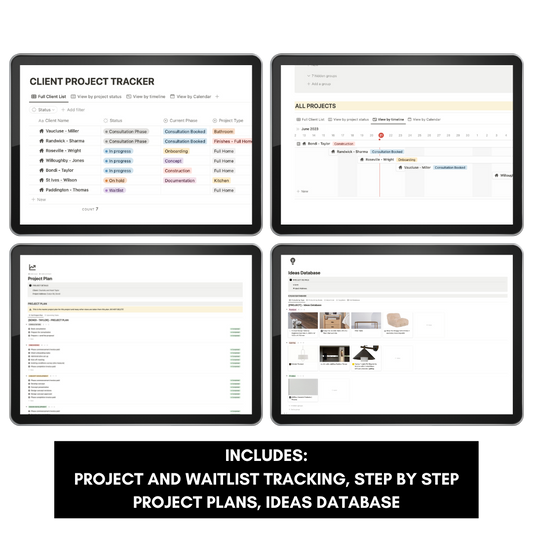
Document everything: Every meeting, every decision, every change of scope. When things go wrong (and normally something will), your documentation is your protection. Use project management software that creates an audit trail (get my Client Project Tracker if you need something). Follow up any verbal conversations with email summaries.
Take aways from the Sydney Opera House project
Scope creep will kill your studio if you don't get on top of it. A project that runs over budget and over schedule makes everyone unhappy, even if the final result is beautiful.
Put some strategies in place today to protect your studio. For example... review your current contract. Does it clearly define scope? Does it include a scope change process? Does it protect you if things go wrong? Does it allow you to walk away if need be? If you're not sure then get professional advice. A good contract is like insurance. You hope you never need it, but you're grateful you have it when you do.
Also make sure that every decision or conversation you ever have with project stakeholders is documented in writing. This is an important paper trail that could help protect you if anything goes wrong during a project.
The irony is that the Sydney Opera House is now considered a masterpiece. It's a UNESCO World Heritage site that generates enormous economic value for Australia via tourism. But learn from Utzon's painful experience so you don't have to repeat it!!