
A few years ago a family checked out of their hotel and drove away. Hours later, their young son realised his favourite toy giraffe was missing. As any parent knows, this always causes panic!!! To calm his son, the father told a white lie…the giraffe had decided to stay on vacation a bit longer. 🦒🏝️
When the father called the hotel to arrange for the toy to be sent home, he asked if someone might take a quick photo of the toy by the pool to support his story. This was no problem and a fun picture arrived quickly by email.
But then a few days later, when the toy was shipped back to the family, what arrived went from a simple lost and found situation into a viral sensation.
The package contained the toy giraffe along with an entire photo album documenting his "extended stay" e.g. pictures of him lounging by the pool in sunglasses, having a spa massage, driving a golf cart along the beach and even working with security monitoring the cameras.
The hotel was the Ritz-Carlton and this story perfectly captures what separates exceptional service from merely good service e.g. obsessive attention to detail, genuine care about clients and the willingness to go far beyond expectations.
For interior designers and architects, there's a really great lesson here about transforming the often stressful renovation journey into something clients actually enjoy.
The Ritz-Carlton Philosophy
The Ritz-Carlton's client experience is legendary and taught in business schools around the world. It's built on a culture of excellence that empowers every employee to create memorable experiences.
Here are some examples of things they do:
The $2,000 rule: Every employee, from housekeeping to management, can spend up to $2,000 per guest to resolve an issue without seeking approval. The stuffed giraffe story probably cost less than $50 but likely made that family lifelong guests of the Ritz-Carlton chain (not to mention the free marketing they got from the vitality of the story).
Daily excellence rituals: Every department holds 15 minute daily meetings where staff share "wow stories" and reinforce service values.
Anticipating unexpressed needs: Staff are trained to notice what guests might need before they ask e.g. a waiter delivering room service subtly adjusts the TV angle toward where the guest will sit to eat. The guest never requested it and might not consciously notice but these micro moments create the feeling of being genuinely cared for.
Practical ideas to take away from this for your design studio
Make meetings fun: Instead of disposable cups, invest in beautiful ceramics for tea/coffee service. Source locally made biscuits or treats to serve. Keep notes on client preferences in your CRM e.g. coffee versus tea, milk/sugar, dietary restrictions and have their preferred drink ready at the second meeting, prepared exactly as they like it. Have something kid friendly ready in case they bring their kids with them to the meeting.
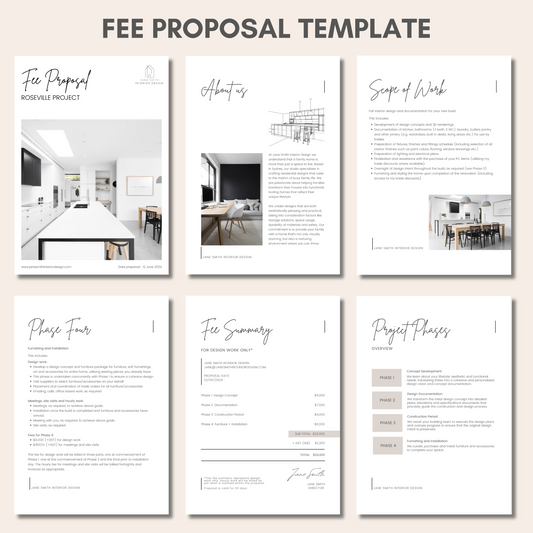
Make presentations memorable: Don't send proposals as PDF attachments. Build custom presentation trays with fabric swatches and material samples all laid out ready. I once heard of an architecture firm that created custom water colour renderings as gifts separate from technical drawings. It's something beautiful clients can display or frame and builds emotional investment in the vision.
Improve the construction experience: When clients visit the job site make things easy for them. Have branded hard hats ready, bring cold water on hot days, have some wipes ready for their dusty hands/phones when they leave.
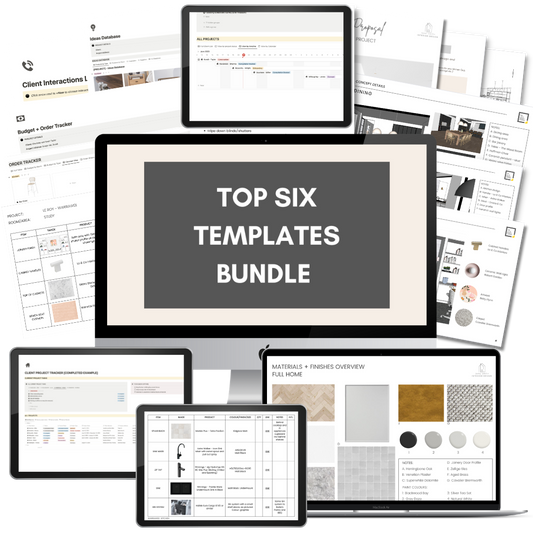
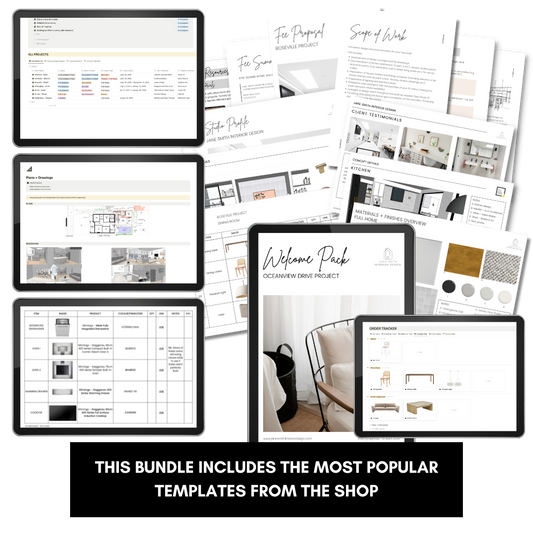
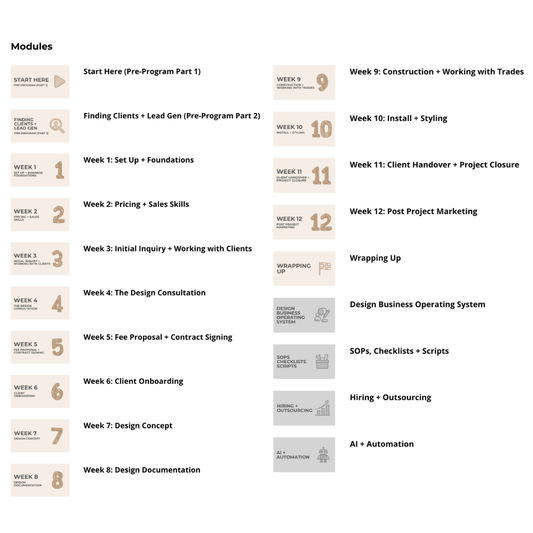
Proactive communication: Create a project portal where clients can check progress and review decisions without endless emails. Update it regularly, even with small news e.g. “Today they completed electrical rough-in. Here's what that means and what comes next". This is something you're able to do with my Client Project Tracker if you need a portal. (CLICK HERE FOR MORE INFO)
Create a memorable handover: Have the space professionally cleaned and styled before clients return. Leave fresh flowers, a welcome note and champagne or a thoughtful housewarming gift.
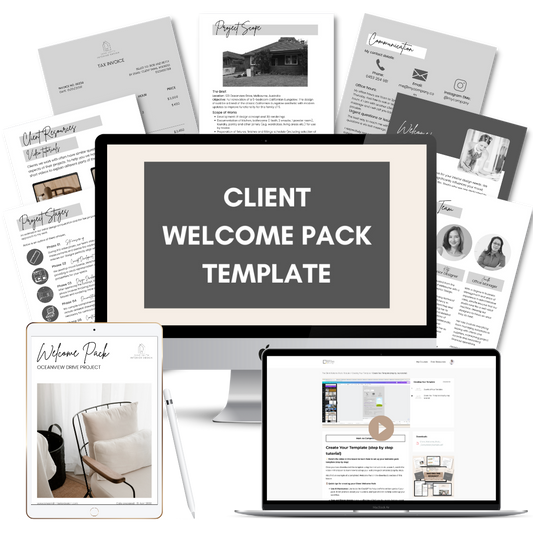
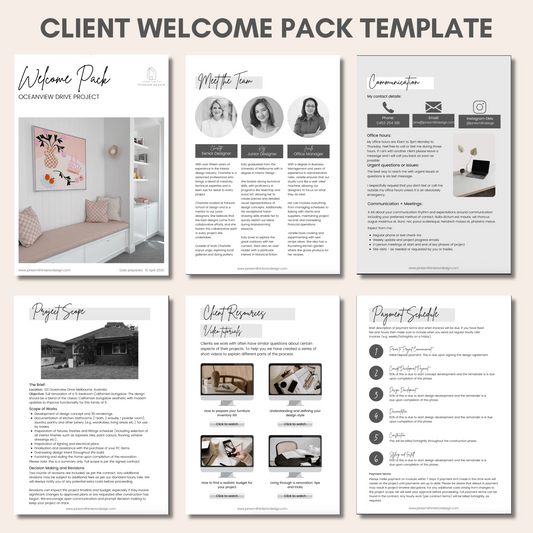
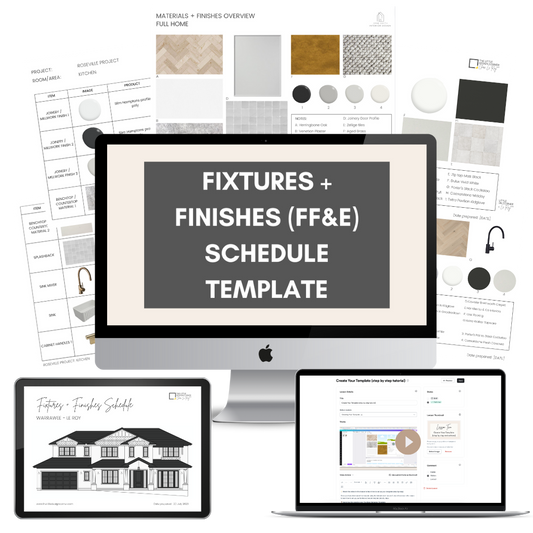
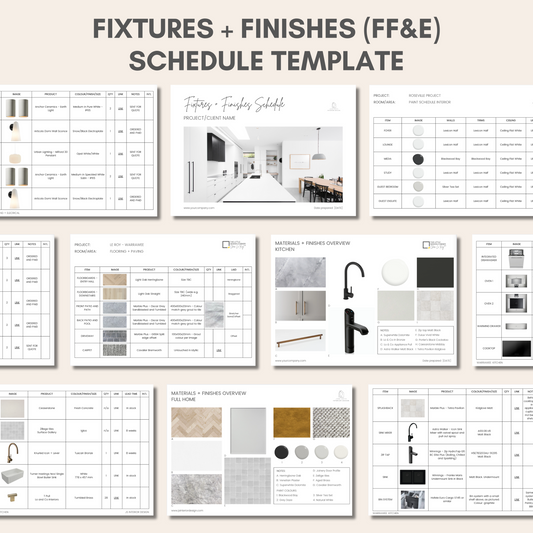
Create a Client Handover Pack: Rather than leaving a drawer full of dusty manuals and warranties build them into a handover folder. This would include all finishes, paint colours, contact information for trades involved a ‘how to care for your new home’ guide plus everything else they need to care for their new home. Get the template for this in my shop if you need one (CLICK HERE).
Build lasting relationships: The Ritz-Carlton thinks in terms of lifetime customer value and knows the average guest will spend $250,000 with them over time. Your satisfied clients become repeat customers and referral sources. Stay in touch with holiday cards, project anniversary notes or articles about topics they're interested in. Check in six months after completion to see how they're enjoying the space.
The Client Experience Mindset
Many of these touches require time and thoughtfulness more than money. Handwritten notes are free. Proactive communication costs nothing. Turning dusty manuals into a presentation folder takes a bit of your time and a $10 folder from your local stationery store.
In an industry where clients often describe the design process as stressful and adversarial, imagine being known as the studio where the experience is actually fun and enjoyable. Where clients look forward to meetings, trust your decisions and feel genuinely cared for.
The Ritz-Carlton experience was built over decades through intentional culture building and systematic excellence. So when you’re thinking about how to apply this mindset in your business start small and grow from there. Pick one aspect of client experience and commit to making it better. Maybe it's your meeting experience, the way you communicate or the way you complete a project.
People forget what you said and did, but they never forget how you made them feel. Technical excellence is expected in our profession but emotional intelligence and genuine care about your clients become your true differentiators.