
It’s Friday at 4.17pm and you get a message from your client:
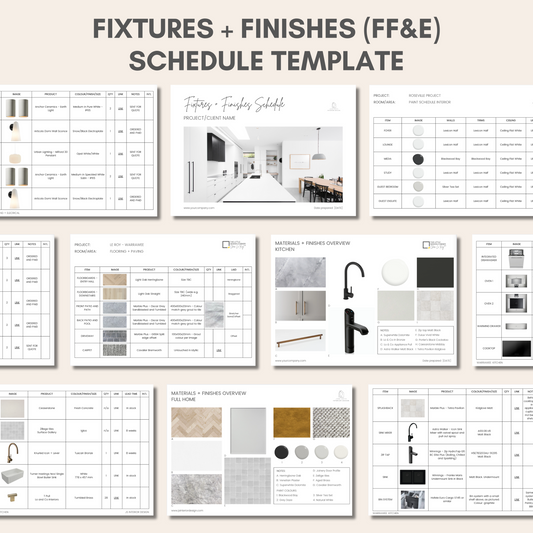
"Sorry to message on a Friday but Tom has finally looked at the FF&E schedule and he hates the dining chairs!! He says he would prefer something in fabric because he thinks they will be more comfortable. Can you please send over a few alternatives this afternoon for us to go and look at on the weekend while he’s not at work?"
Every designer has had a version of this text message at the worst possible time. The client thinks they're being reasonable because they are only asking for a "few options", but as we all know sourcing a few dining chairs that work with the table, rug, pendant, budget AND the two young kids running around with sticky fingers is NOT a five minute job. It can be hours of your time.
Also, if you do it once, you've just taught this client that any time they change their mind you'll drop everything and sort it out ASAP.
The annoying part about this is...
Tom (the husband) hasn't been to a single meeting and doesn’t read your Friday update emails.
You've spent months working with Sarah (the wife), she signed off on the FF&E schedule a week ago and has now clearly only just started discussing with Tom.
Although this request seems harmless to the clients we all know that sourcing can be a very time consuming task and finding "a few options" for a dining chair could take you hours.
The bigger issue in this scenario isn't the chairs, it's that Tom hasn't been part of the process the whole way through. He's only paying attention now because the invoices are starting to come in and money is about to leave his account.
This is really common and something you need to plan for right from your very first meeting with a couple.
Tom is the problem here (not you!)
You've done your job.
You've been sending your weekly Friday email updates to both Sarah and Tom, you got Sarah's written sign off on the FF&E schedule a week ago and you've followed your process the whole way through.
It was up to Tom to review the documentation BEFORE the due date, not the Friday afternoon before ordering.
This is what happens when only one partner engages with the design process and the other one waits until they see the invoices to suddenly have opinions.
Don’t send the options they want
The temptation in this scenario is to try and keep Tom happy and just source three quick options to get them off your plate.
But sending chairs over text on a Friday night starts a whole new problem you now have to deal with over the weekend.
Tom will likely hate two, Sarah will love a different one and you will get texts or calls about this all weekend from the stores they are visiting.
If you do this you also give them control over the project and your process and you lose all your leadership. You’re now a "design dogsbody" not a professional advisor and consultant.
Do send a reply Friday afternoon
Sarah has clearly now planned her weekend around going shopping with Tom to look at chairs.
If you leave her hanging until Monday she'll be annoyed with you because you've stuffed up her weekend plans and they will likely go chair shopping anyway, which can cause more issues.
So do reply quickly so she can adjust things on her end but send this...
"Thanks for your message. These chairs were signed off a week ago as part of the wider approvals for that room. Here’s a quick reminder on why those specific chairs were chosen:
- they fit your budget
- the height works with the table you like (which is slightly higher than most dining tables so we only have limited choices on chairs so you don’t end up sitting too low)
- they work well with your young kids (I know Tom has said he would prefer fabric chairs but they are not a good choice for sticky jam fingers!)
If Tom still isn’t happy could you get him to send through specific feedback via email before Monday please?
I can then look at the impact on any changes on the design and let you know how it might impact the ordering timelines. I can also send over my variation fees for resourcing, if needed.
Thanks and enjoy your weekend!"
This response works because:
- You've explained why the chosen chairs are the best choice and why the fabric chairs Tom wants were not chosen.
- You've reminded them that Sarah approved the chairs, the ordering process is underway and you're not undoing that because they’ve not communicated between themselves. This is their problem not yours.
- You've moved Tom's feedback into writing where it belongs (not "you guys go shopping this weekend and I'll text you options to go and look at").
- You've flagged that changes to a signed off scheme come with variation fees (because they should!).
- Your time resourcing chairs is not free and neither is the design work to make sure the new chairs work and are the correct height for the table.
And you've done all of this without being rude or defensive.
The lesson for next time
This Friday afternoon text is preventable. Here's some of what can be set up:
- Insist both decision makers are at the initial consultation, the kick off meeting, the concept presentation and every sign off.
- If one partner "doesn't have time" or "trusts the other one to decide" flag this early and put it in writing that sign offs are final for both of them and any changes after that will trigger variation fees.
- Most Friday afternoon dramas trace back to the start of a project and lack of good onboarding.
- Both partners at the initial consultation (no exceptions)
- Both partners cc'd on every weekly update email
- Both partners signing off in writing at every stage (or written approval that one will approve for both of them)
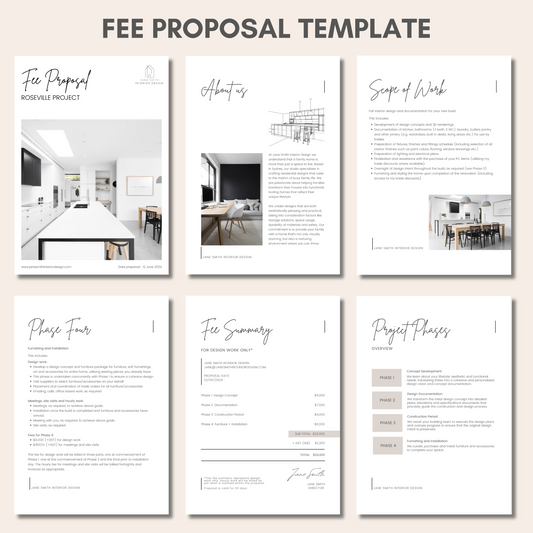
- Variation fees written into your fee proposal
- A client welcome pack that spells all of this out before the project starts
Systems and processes are your protection
Every scenario like this is easier to handle when you've got a proper process behind you.
Boundary setting doesn’t work if it only starts once you’re frustrated. Clients need to know the rules before the game begins.
A client welcome pack is the simplest way to do this. This document should outline:
- who needs to be at every meeting
- how sign offs work
- how you communicate with them throughout the project and your expectations for them (i.e. they need to read your weekly updates!)
- how you handle variation requests
You can get my template for this in my shop if you want to save time setting it up.