
There’s a big myth in our industry...
If you want to grow your design business and be able to take on more projects, you need to hire a team of employees to help you.
But don’t get tricked by this narrative. Hiring staff doesn’t automatically mean more money. In fact, it often means less money in your pocket as the owner of the business.
Having employees means:
- More overhead
- The stress of having to make payroll every week
- Having people rely on your business to pay their rent or mortgage
- Accepting bad fit clients because you “need the work” to cover expenses
- Having people to manage who don’t care as much as you do about your business
- Doing less design work, the part you love, and more admin, management and stressful firefighting
- Taking home less income than when you worked by yourself (because you now have more overheads and payroll to cover first)
When I started out as a designer I thought I had to grow my business as big as possible, hire a fancy studio space and build a team to be taken seriously.
But after seeing how other designers were managing their businesses with a small team and lots of fixed expenses, I realised this was not the path I wanted to take (because they were always stressed out!!).
So instead I tried to work smarter in the way I did things (so I could build a multi 6-figure, 1:1 design studio just working by myself from home, which is what I did).
This was all before I started the education side of my business that I have now.
Here’s how I did it.
1: I outsourced work that took me forever
I found trusted external partners and contractors to help me with time consuming work.
Things like:
- design documentation
- cabinetry/joinery drafting
- turning JPEG or CAD floor plans into basic SketchUp models
- realistic rendering from SketchUp drawings
I first made sure I knew how to do all of this work (so I didn’t get ripped off) but I freed up time by getting external contractors to help me fulfil projects.
This meant I could spend more time finding clients, making content and leading my real world projects.
2: I built as many systems as I could
For every task I thought I would do more than once, I spent time creating a system around it.
This included things like:
- email scripts and templates
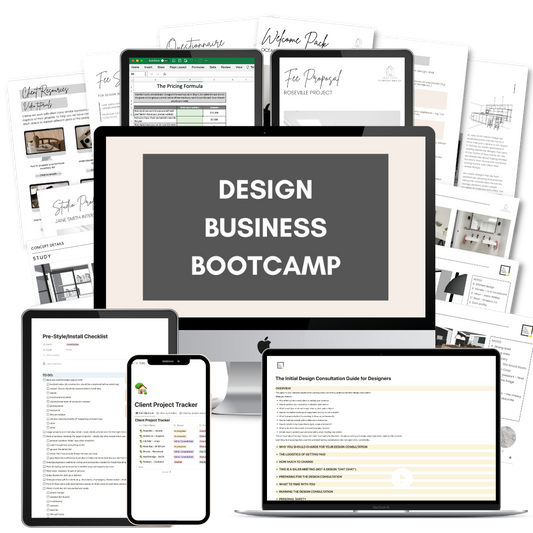
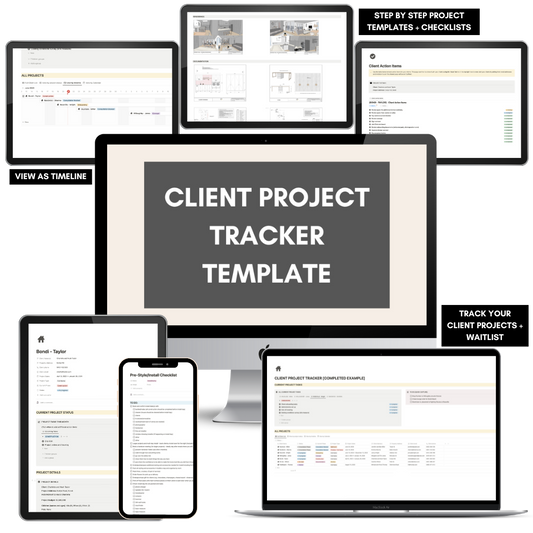
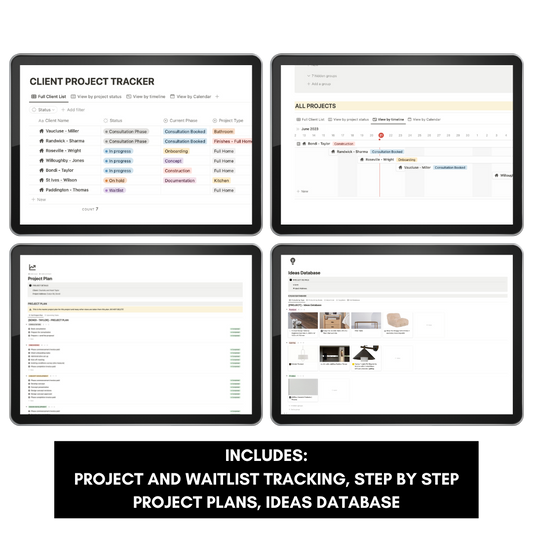
- checklists for all repeatable processes (e.g. site measures, onboarding clients and screening for red-flag clients)
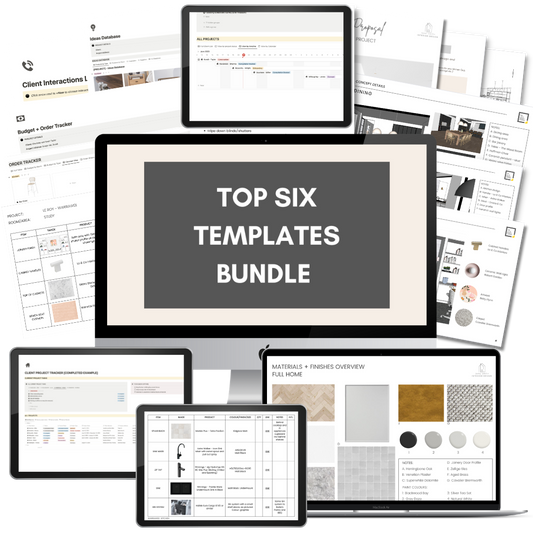
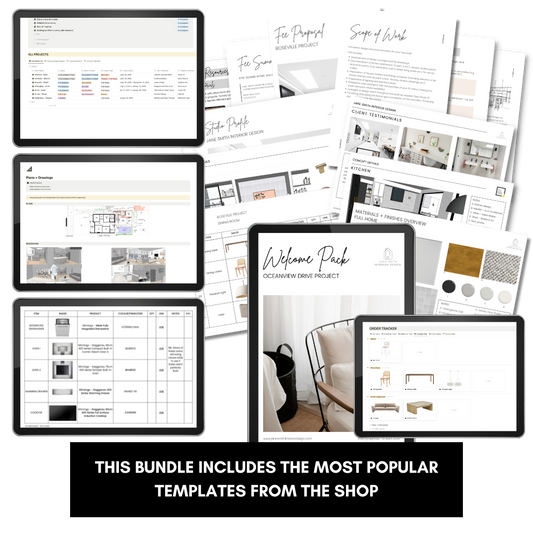
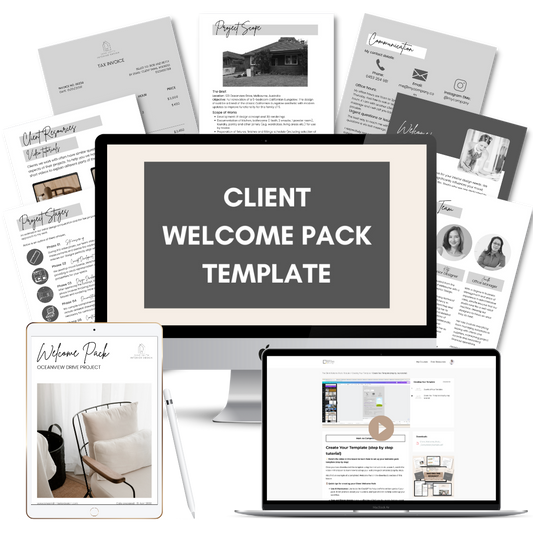
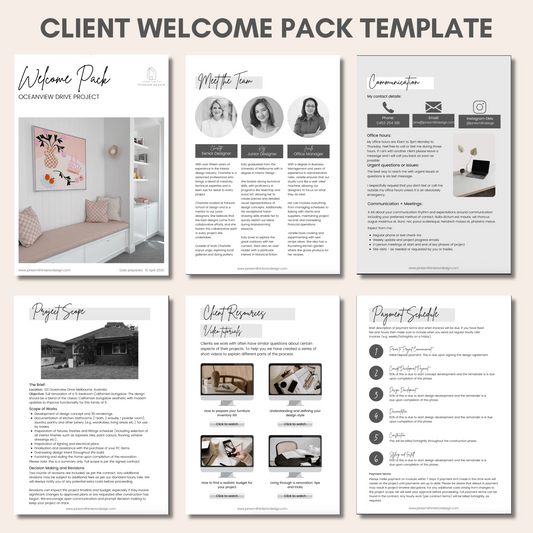
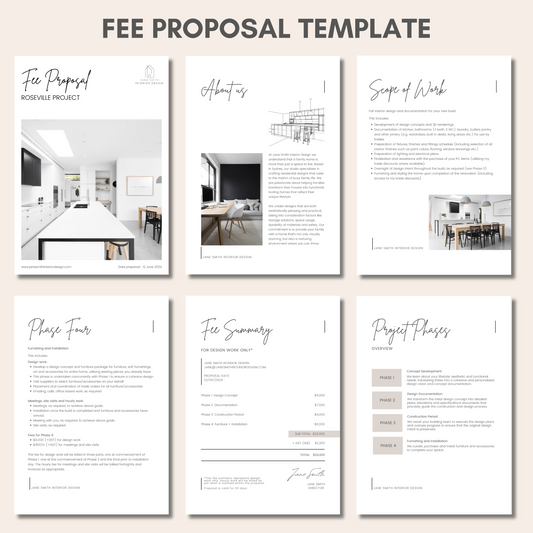
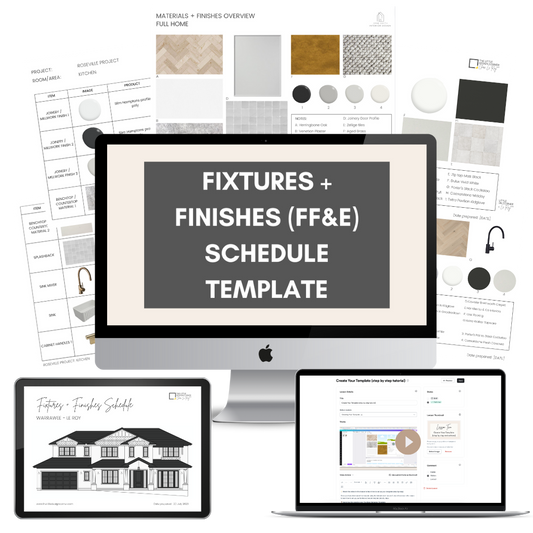
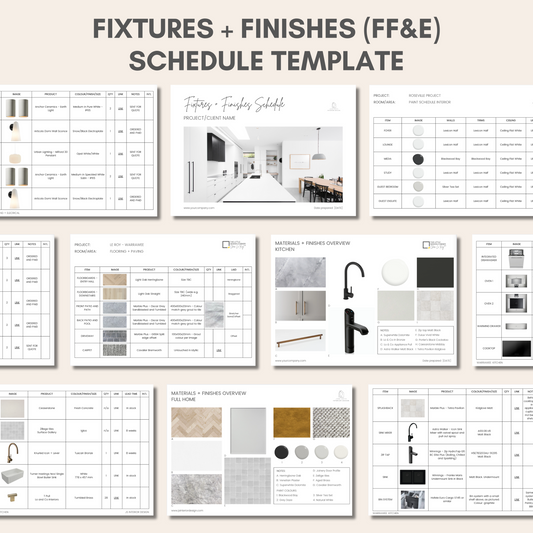
- templates for all phases of the project (e.g. fee proposals, onboarding, documentation and completion)
Everything that happened more than once had an SOP, system, template or checklist.
3. I was VERY selective about projects
- I used my paid initial design consultations to screen projects and clients carefully.
- I only took projects that I was excited about and that paid well.
- I avoided all clients who displayed red-flag characteristics during the consultation.
- I continued to raise my prices so I was being well paid for the hours I was putting into a project.
This meant taking on fewer, higher-quality projects each year.
Remember, you only need four $50,000 projects per year to hit multi 6-figures in revenue. That’s one project every quarter, i.e. very doable!
This is how you can build a multiple 6-figure business with no employees.
Plus, the bonus is that you take home all the profits yourself, rather than giving it all to your employees and then hoping there’s some left over for you.
There are lots of ways to run a design business and you should do what works for you. What I’ve described here was the way I did it to maximise my profits and take on enjoyable projects without burning myself out (and without the stress of having employees who relied on me!).
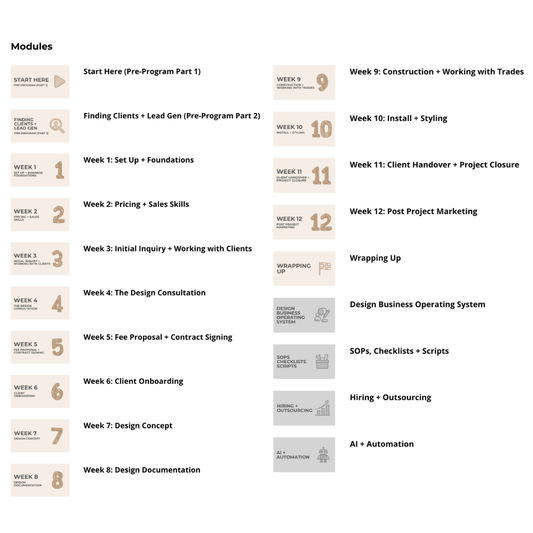
If you need help with any of this you can get all the systems, checklists, templates and SOPs I used in my shop. Or just join my business program and I'll give them all to you in the right order and explain how they all work together.